

Emirates bets on future travel boom with 367 aircraft in pipeline
Retrofit programme reshapes passenger experience across fleet
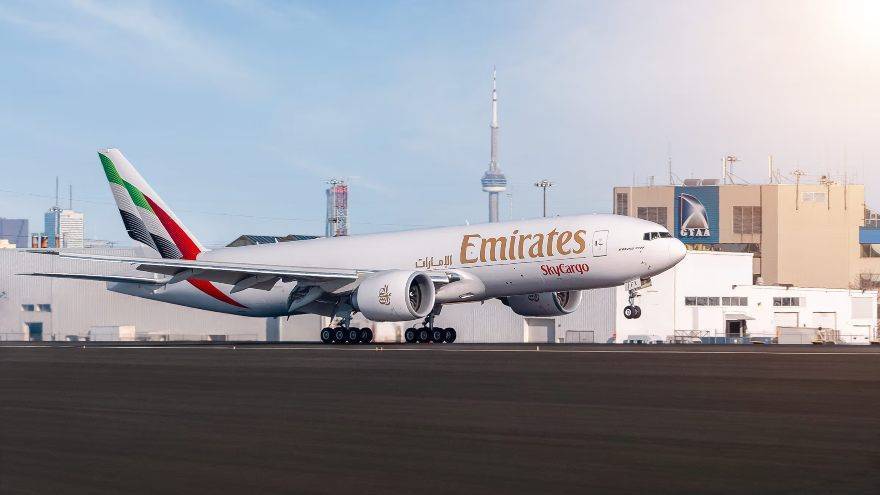
DUBAI – Emirates has outlined one of the aviation industry’s most ambitious long-term growth plans, placing billions of dollars behind new aircraft, upgraded cabins and network expansion as it prepares for the next phase of global travel demand.
The Dubai-based airline used its annual results announcement to reveal the scale of its future fleet ambitions, including fresh aircraft commitments worth $41.4 billion at list prices during the 2025 Dubai Airshow.
The latest orders include 65 additional Boeing 777-9 aircraft and eight more Airbus A350-900 jets, significantly expanding Emirates’ future delivery pipeline.
Fleet plans
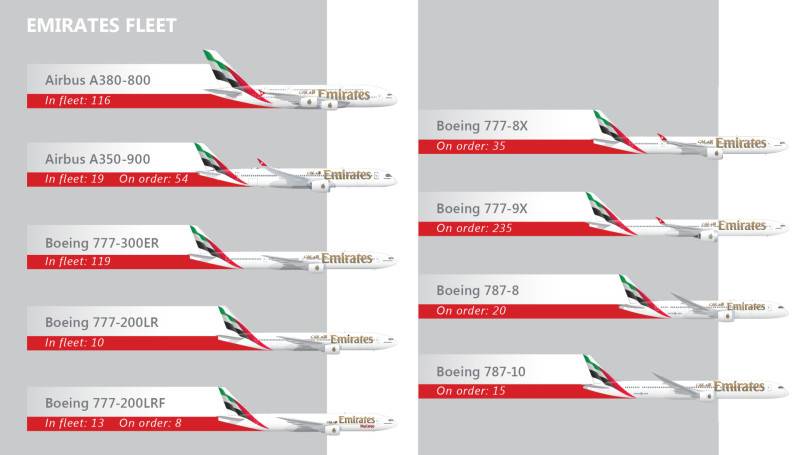
At the end of March 2026, Emirates had 367 aircraft on order, including 270 Boeing 777x aircraft, 54 Airbus A350s, 35 Boeing 787s and eight Boeing 777 freighters.
Aircraft deliveries are scheduled through to 2038, highlighting the airline’s long-term confidence in global aviation demand and Dubai’s role as a major international travel hub.
The airline’s operational fleet stood at 277 aircraft at the end of the financial year, with an average fleet age of 10.8 years.
During the year, Emirates received 15 Airbus A350 aircraft, allowing the carrier to accelerate the rollout of its latest cabin products. By March 31, 19 A350 aircraft were already operating across 21 destinations.
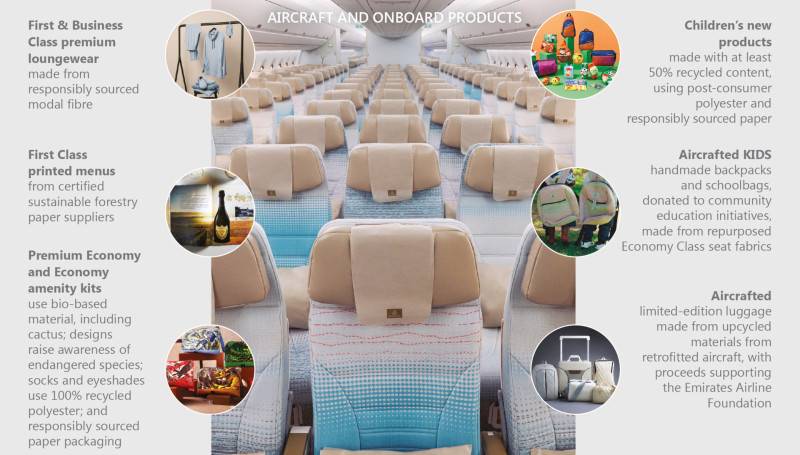
The A350 programme has become central to Emirates’ Premium Economy expansion strategy, giving the airline more flexibility to serve medium and long-haul markets with upgraded cabin offerings.
Emirates also bought out 29 Airbus A380 aircraft and five Boeing 777 aircraft at the end of their leases during the year, strengthening ownership of its fleet assets.
Focus on passengers
Alongside new aircraft orders, Emirates continued investing heavily in passenger experience upgrades.
The airline’s $5 billion retrofit programme remained one of the largest cabin refurbishment projects in aviation. So far, 91 aircraft out of 215 planned units have completed full cabin upgrades featuring new-generation interiors and Premium Economy seating.
Emirates also accelerated the rollout of Starlink high-speed inflight Wi-Fi. By the end of the financial year, 21 aircraft had already been equipped with the service.
On the ground, the airline introduced new First Class facilities at Emirates Terminal 3 in Dubai, expanded chauffeur-drive services in Japan and launched accessibility-focused initiatives for travellers with varying needs.
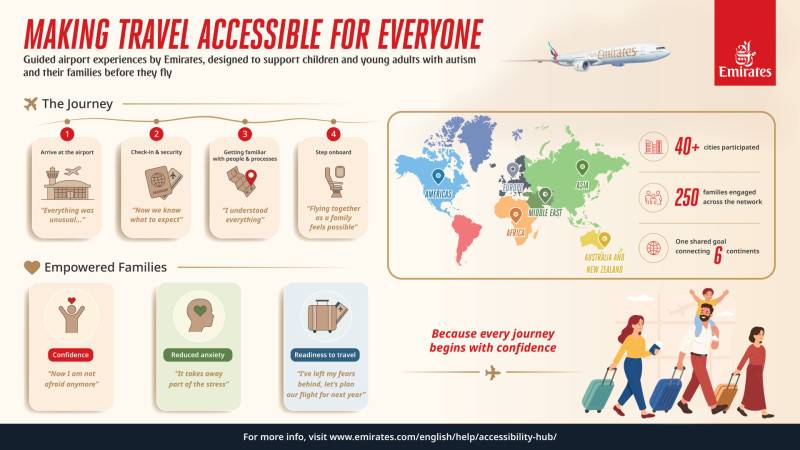
The airline introduced onboard sensory products and fidget toys for passengers with autism and organised travel rehearsal programmes at airports around the world to help families manage travel anxiety.
Route expansion
Network growth also remained a major focus throughout the year.
Emirates launched services to four new destinations including Da Nang in Vietnam, Hangzhou and Shenzhen in China, and Siem Reap in Cambodia.
By the end of March, the airline’s network covered 152 cities across 80 countries.

The carrier also expanded partnerships with global airlines through 32 codeshare agreements and 117 interline partnerships, giving passengers access to more than 1,700 cities beyond Emirates’ own network.
Passenger demand remained strong across markets despite capacity challenges linked to aircraft delivery delays affecting the aviation industry globally.
Although Emirates’ passenger numbers declined slightly by 1 per cent to 53.2 million travellers, yields rose 4 per cent, helping the airline achieve record profitability.
Emirates generated operating cash flow of Dh32 billion during the year, giving the airline significant financial flexibility to continue funding aircraft deliveries, retrofits and airport investments.
The airline said deliveries of new aircraft and expansion projects will continue despite regional geopolitical uncertainty, with Emirates maintaining strong cash reserves and long-term fuel hedging protection.